Chapter I — The mountain
A serrated horizon
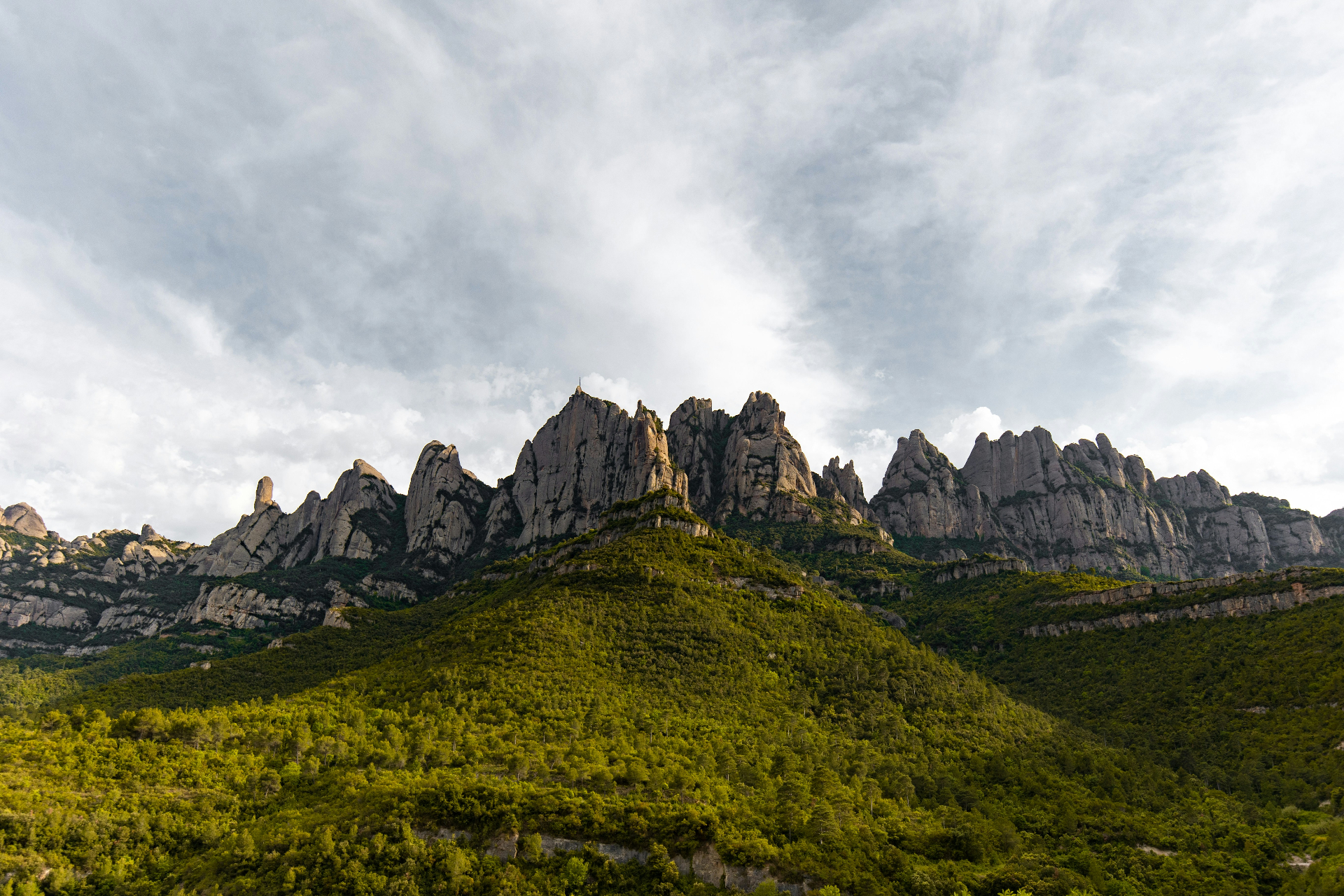
Montserrat means “serrated mountain” in Catalan — a name earned by its jagged silhouette of conglomerate peaks rising almost vertically from the surrounding plains. Saint Jerome, the highest summit, reaches 1,236 metres. From any direction, the range is impossible to mistake.
Chapter II — The monastery
A thousand years of silence
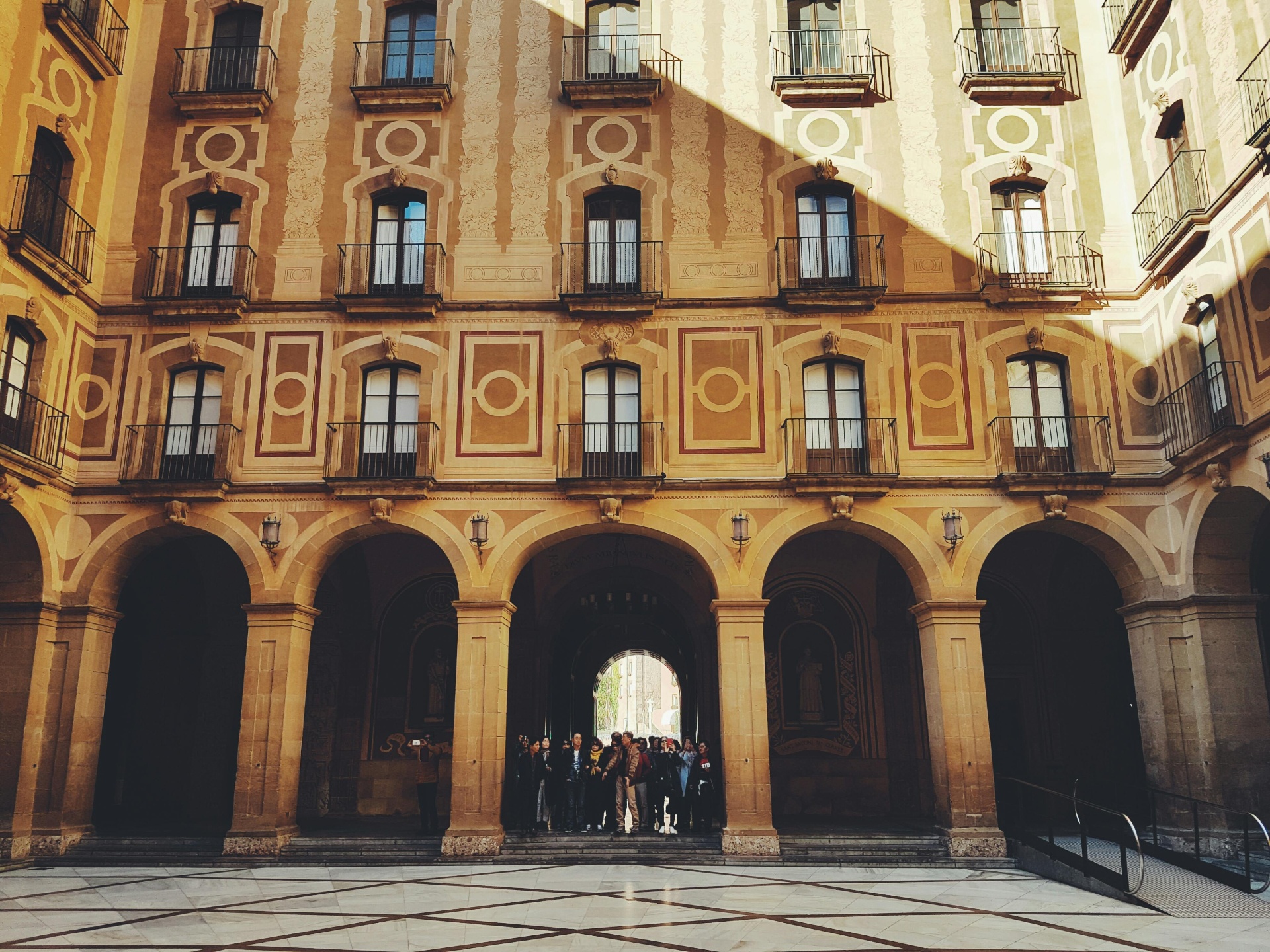
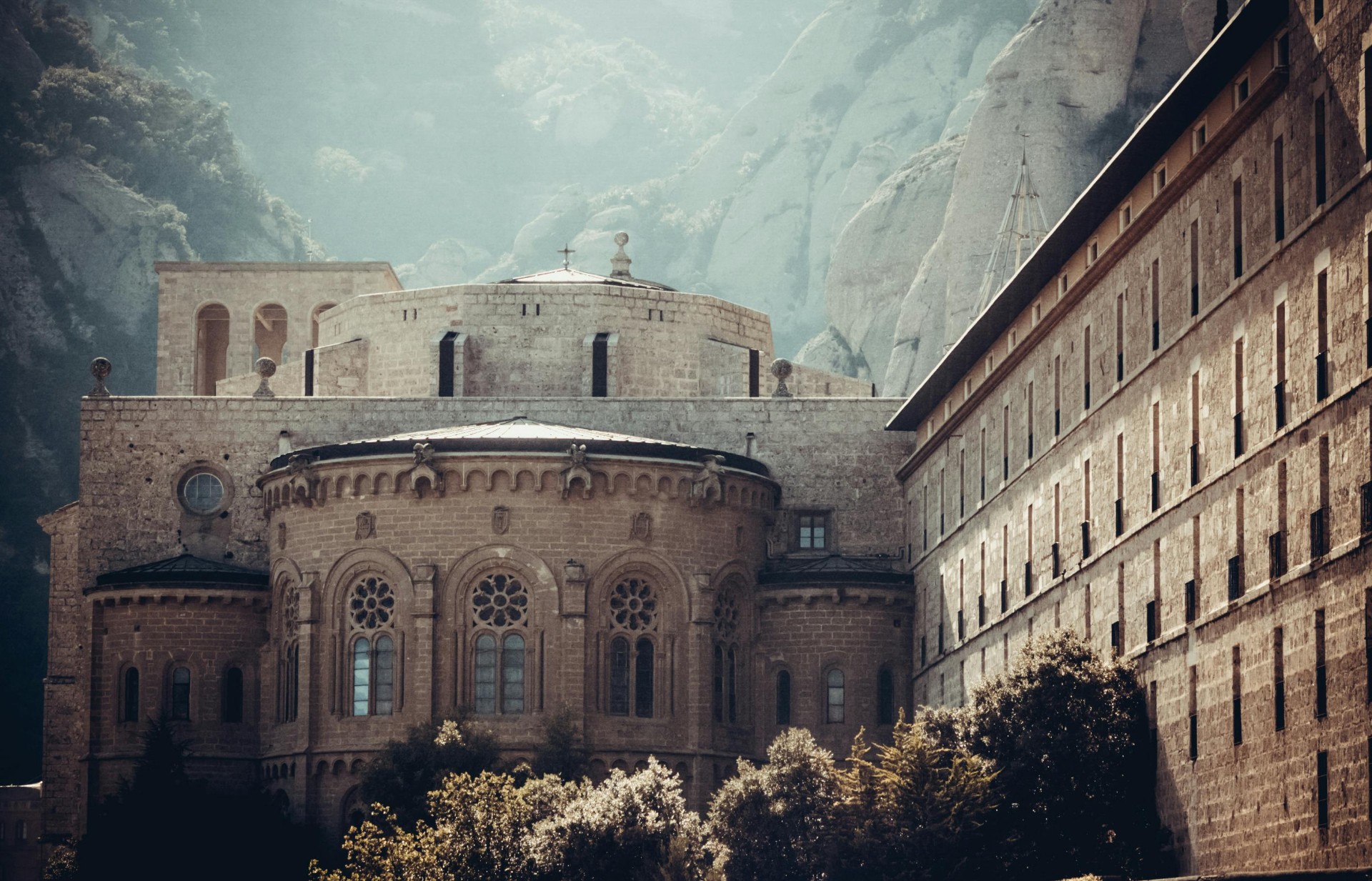
Founded in the 11th century and clinging to the mountainside at 718 metres, the Benedictine abbey of Santa Maria de Montserrat is one of the most important pilgrimage sites in Spain. Its corridors hold a small, dark statue — La Moreneta, the Black Madonna — venerated since the 12th century.
Chapter III — The legend
La Moreneta
Legend tells of shepherds who, in the year 880, were drawn into a cave by a strange light and angelic music. There they found a wooden carving of the Virgin and Child — too heavy to move. A shrine was built where she chose to stay. A thousand years later, pilgrims still queue, in silence, to touch her hand.
Chapter IV — The trails
Walking the ridges
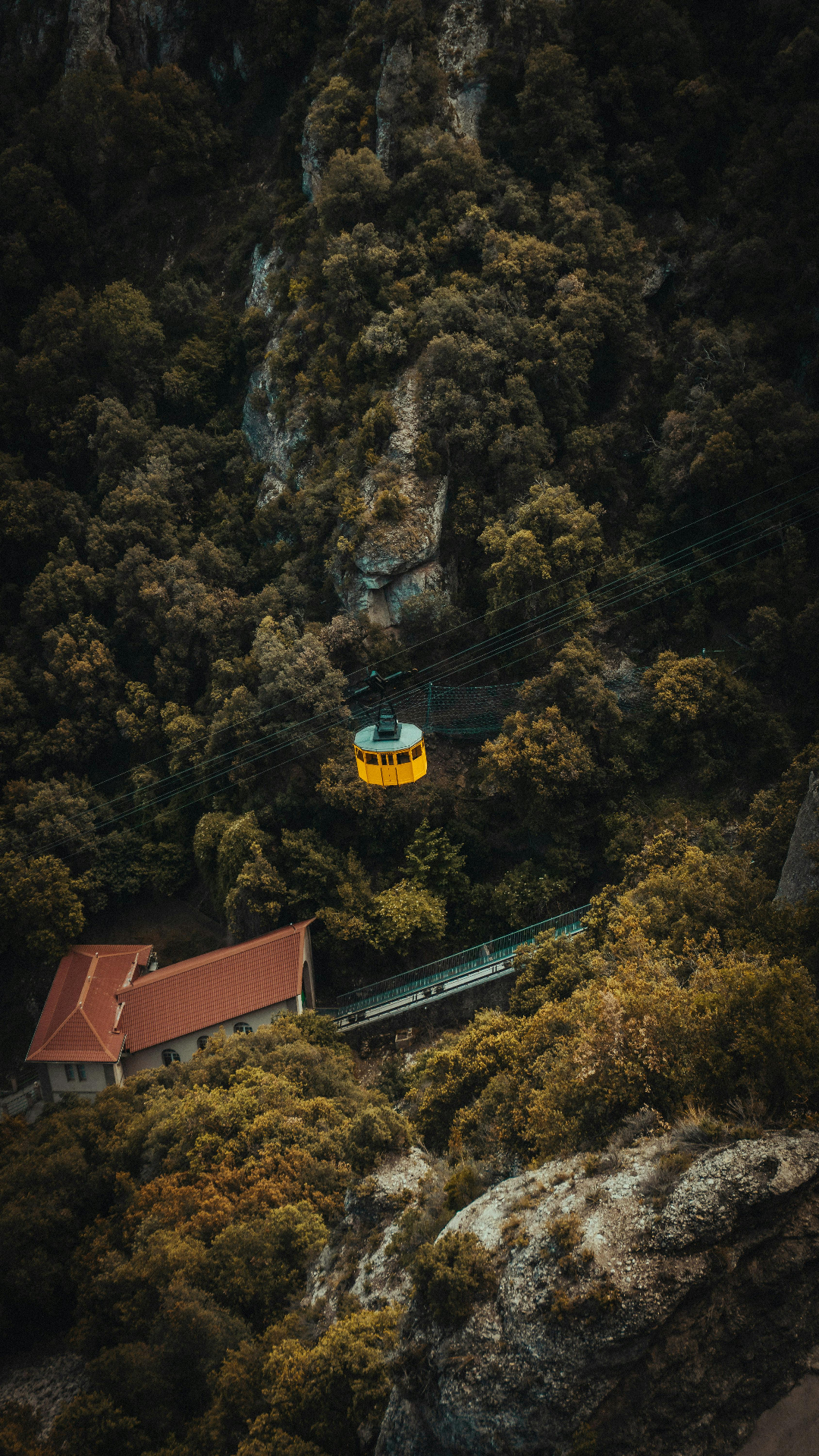
Beyond the monastery, the mountain opens. Quiet paths thread between rounded pinnacles — Sant Joan, Sant Jeroni, the hermitage of Sant Miquel. Two funiculars climb where the legs grow tired. The reward, always, is the same: a long view across Catalonia, soft and blue.
Chapter V — The voices
L'Escolania
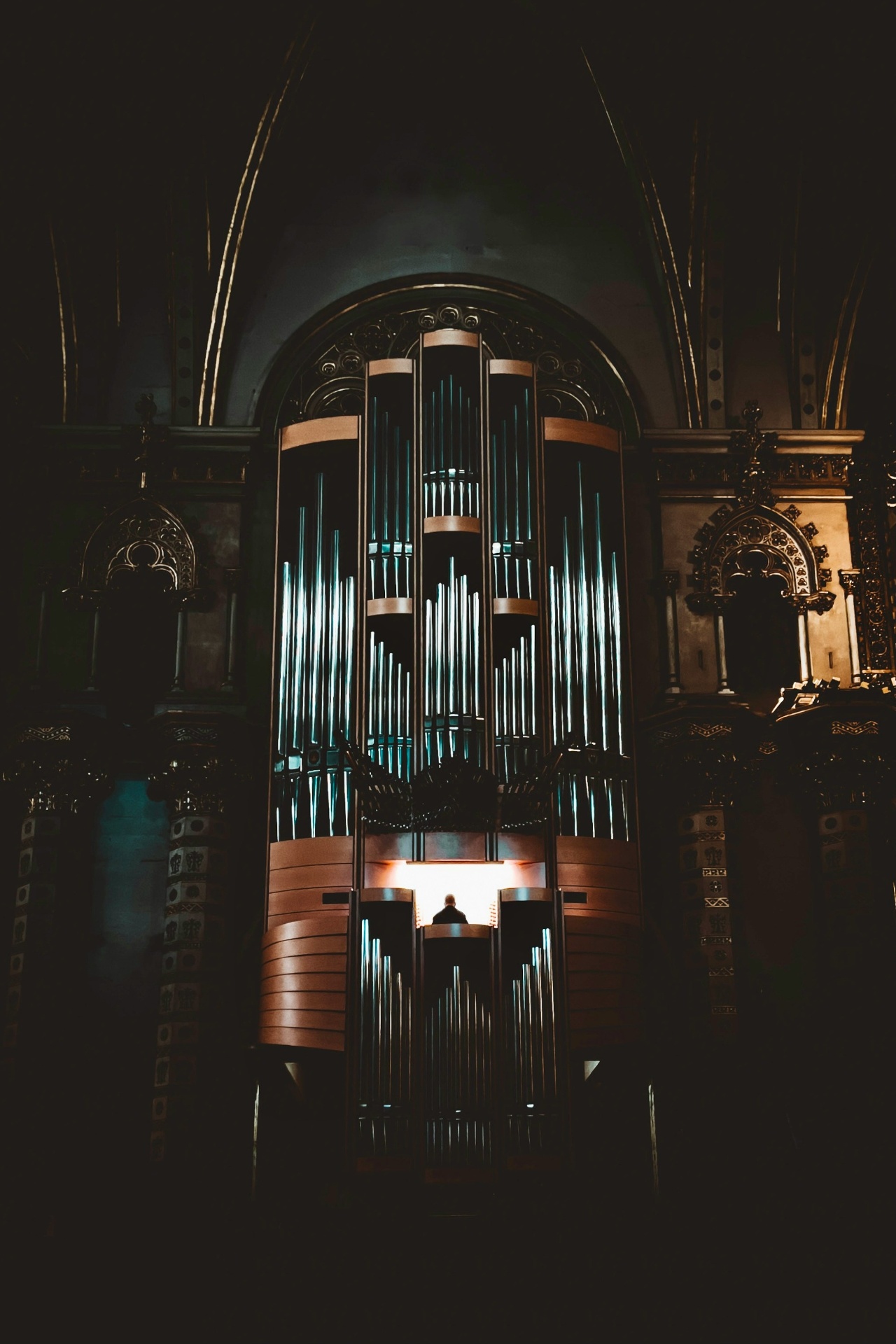
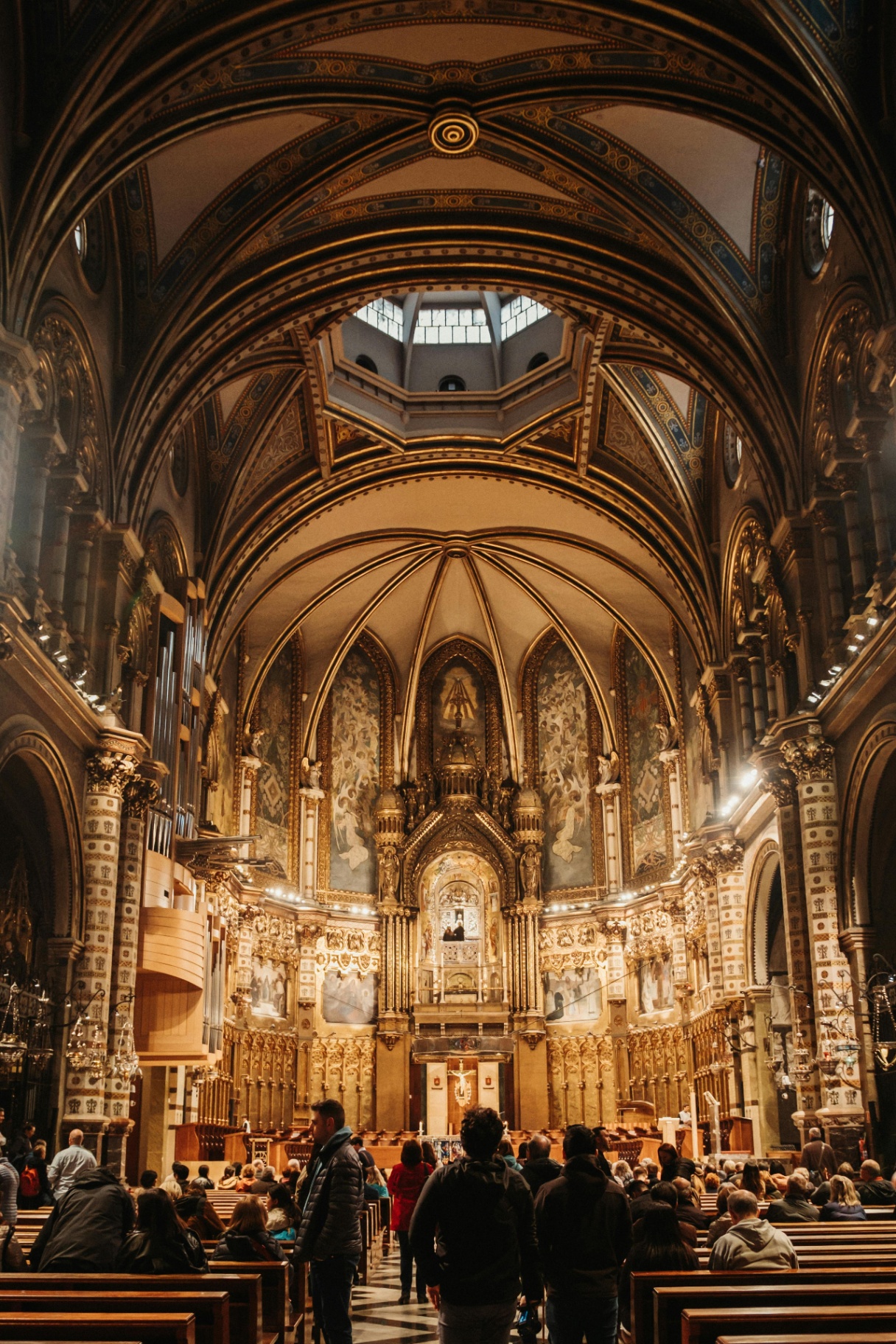
Each day, one of the world's oldest boys' choirs — the Escolania de Montserrat, founded in the 14th century — sings in the basilica. A few minutes of plainsong drift through the stone. Even those who came for the view tend to stay for it.
Chapter VI — The slow way
Stay a little longer
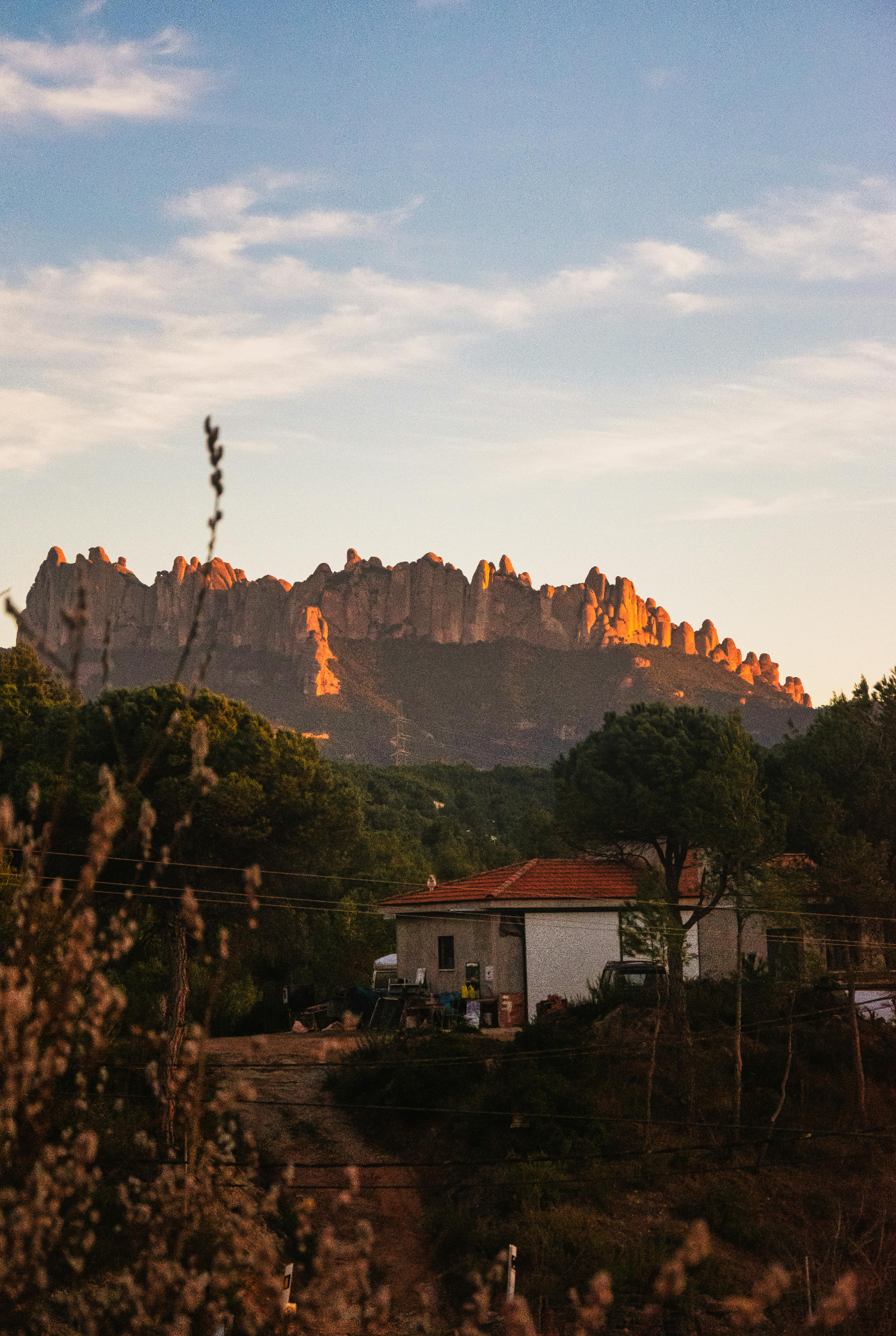
Most visitors come and go in a single day. We think it deserves more. From an Aaron Stay home at the foot of the mountain, sunrise turns the rock the colour of apricot — and you have it nearly to yourself. That's the version we love most.